The commercial kitchen is the culinary engine room—a place of incredible creativity, high heat, and delicious chaos. But beneath the sizzle of the grill and the fragrant steam of sautéed garlic lies a silent, persistent enemy: grease. This buildup isn't merely an aesthetic concern; it represents a serious fire hazard, a compliance risk, and a massive drain on operational efficiency. Ignoring the grime is like trying to run a luxury car on fumes—eventually, something is going to sputter. Establishing a robust and predictable preventative rangehood cleaning schedule for commercial kitchens is not just a recommendation; it is a fundamental pillar of safety and profitability. This detailed guide will walk you through exactly how to build a cleaning routine that keeps your kitchen running like a well-oiled Swiss timepiece, protecting your staff, your equipment, and your bottom line.
Why a Structured Cleaning Schedule is Non-Negotiable
Thinking that a quick wipe-down every few weeks will suffice is a dangerous misconception. Grease accumulation is a sticky, relentless process that builds up slowly, much like kudzu vines covering an old monument. When this grease mixes with airborne particulates and heat, the risk multiplies exponentially.
Health and Safety Hazards
The primary concern is always safety. Grease residue, if allowed to accumulate, acts like kindling. A small spark, a stray flame, or even a minor equipment malfunction can quickly turn into a catastrophic grease fire. Beyond the immediate threat of fire, accumulated grime also creates slip hazards. Who wants to navigate a kitchen floor that is slicker than a greased eel?
- Fire Risk: The most obvious threat. Regular cleaning mitigates this risk dramatically. Slip Hazards: Grease spills and residue on surfaces create slip points. Air Quality: Heavy buildup can trap smoke and particulate matter, affecting overall air quality and staff health.
Operational Efficiency and Equipment Lifespan
The mess doesn't just cost safety points; it costs money. When rangehoods, ventilation filters, and ducts are choked with grease, the fans have to work harder, pulling more air with less efficiency. This increased strain forces motors to run overtime, leading to premature wear and tear. Over time, this inefficiency manifests as higher energy bills and unexpected equipment breakdowns.
"The cost of preventative maintenance is always lower than the cost of emergency repair," is a truth echoed by every seasoned facilities manager.
Developing the Perfect Preventative Rangehood Cleaning Schedule
A generic cleaning checklist is a poor substitute for a personalized, detailed plan. Your schedule must be tailored to the specific intensity of your kitchen's operation—a high-volume deep fryer spot requires a different regimen than a light pastry bakery.
Understanding Grease Accumulation Levels
Before setting a date, you must assess the risk level. Are you deep-frying all day, every day, or are you primarily steaming delicate items? This assessment dictates the required frequency. Think of it as diagnosing a patient: you can't treat what you haven't properly examined.
- High-Intensity Kitchens (e.g., Asian fusion, deep frying): Require near-daily attention to critical surfaces. Medium-Intensity Kitchens (e.g., Casual dining): Weekly deep cleaning is necessary, with daily spot checks. Low-Intensity Kitchens (e.g., Salad bar, pastry): Bi-weekly or monthly detailed cleaning suffices.
Frequency Guidelines for Optimal Performance
A successful preventative rangehood cleaning schedule for commercial kitchens operates on a tiered system: daily, weekly, and quarterly.
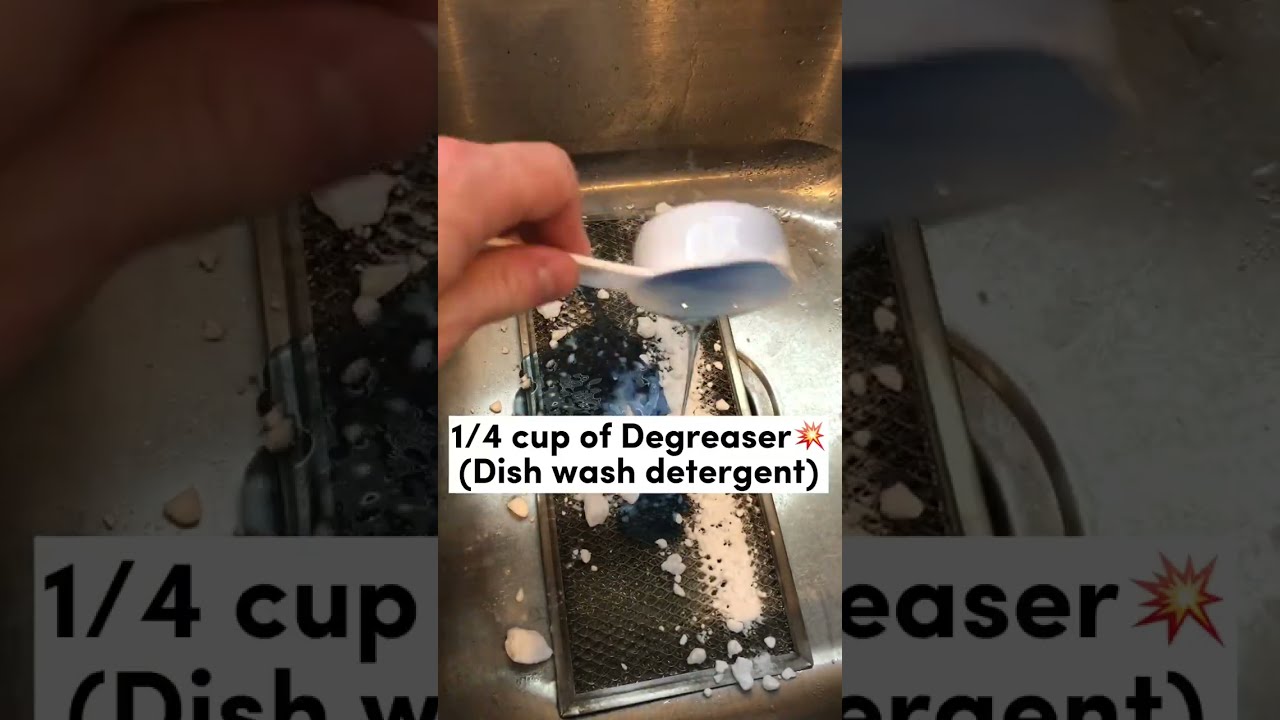

- Daily Tasks: Focus on immediate cleanup. Wipe down visible grease splatters, dispose of filters, and inspect for obvious buildup. This prevents small problems from becoming massive ones. Weekly Tasks: This is the deep-clean phase. It involves dismantling accessible components (like grease filters and duct covers) and performing a thorough degreasing wash. Quarterly Tasks: This involves the heavy artillery—professional cleaning of the main ductwork and hood plenum. This is often when professional help is mandatory, as the scale of the buildup is too large for standard staff equipment.
Mastering Deep Cleaning Techniques and Compliance
The 'how' is just as important as the 'when.' Effective cleaning requires the right tools, the right chemicals, and the right training.
Manual vs. Professional Cleaning: Knowing Your Limits
While staff should be trained in daily and weekly manual cleaning (degreasing filters, washing visible surfaces), certain tasks are simply beyond the scope of in-house staff. The deep cleaning of the actual ductwork and the internal plenum space requires specialized equipment and knowledge to ensure that all grease residue—the sticky, invisible stuff—is removed.
We once worked with a small Italian restaurant that thought they could handle their ductwork cleaning themselves. It was like trying to teach a goldfish to play poker; they simply weren't equipped for the task. Hiring certified professionals ensures compliance with local fire codes and guarantees the highest level of safety.
Essential Equipment Checklist
To maintain a pristine environment, your cleaning arsenal should include:

- Heavy-duty degreasers (specifically rated for commercial kitchen use). Non-abrasive scrubbers and brushes. Industrial-grade vacuum systems (to capture fine particulate matter). Safety gear (respirators, gloves, eye protection).
Sustaining Cleanliness and Compliance Long-Term
Making a preventative rangehood cleaning schedule for commercial kitchens is a continuous cycle, not a one-time project. It requires integrating cleaning https://beauadyg307.lucialpiazzale.com/how-to-reduce-maintenance-costs-with-regular-hood-cleaning-and-expert-care into the operational rhythm itself.
Consider treating your cleaning schedule less like a chore list and more like a crucial, preventative medical checkup for your kitchen. If you skip these checks, the system—your business—will eventually suffer a massive, costly breakdown.
The most valuable insight is that cleanliness is a team effort. Every employee, from the prep cook to the maître d', needs to understand their role in maintaining the integrity of the ventilation system.
By treating your ventilation system with the respect it deserves, you are not just cleaning grease; you are investing in operational safety, maximizing energy efficiency, and protecting your reputation. What small habit—like a quick filter check—could make the biggest difference in your safety record today?
By committing to a strict, documented, and collaborative preventative rangehood cleaning schedule for commercial kitchens, you move from merely reacting to messes to proactively managing risk. This dedication ensures that your culinary creativity can thrive without the constant threat of a grease fire or the headache of excessive maintenance costs.
Ready to turn your kitchen from a potential hazard zone into a model of efficiency and safety? Start by documenting your current grease buildup and consulting with a certified commercial cleaning service to build your customized, risk-mitigating plan today.